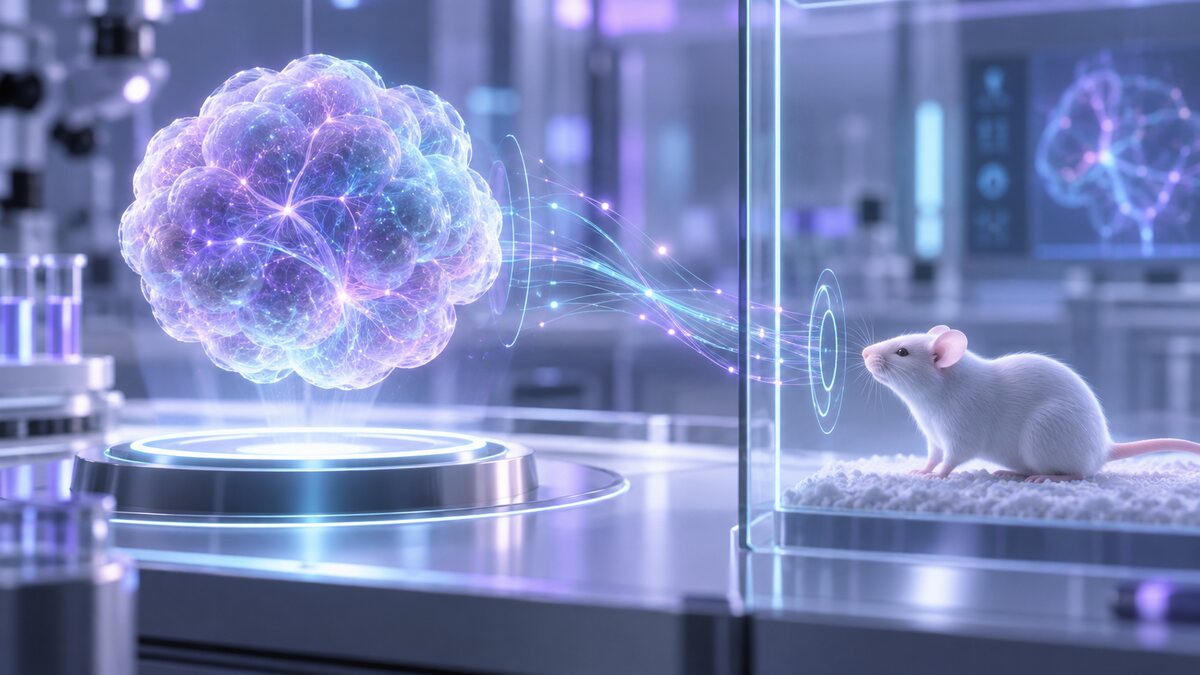
Stanford-led researchers transplanted laboratory-grown human cortical organoids into bioengineered mice that lacked most of the tissue that normally forms the cortex and hippocampus. The grafts developed multiple human cortical cell types and formed functional connections within the animals’ nervous systems.
The researchers call the animals xenocortical mice and caution that phrases such as “humanized mice” or “mice with human brains” are inaccurate. The work, published in Nature, could help study neurodevelopmental disorders and oxygen-deprivation injury, while its ethical framework emphasizes animal welfare and monitoring for unexpected properties.
Go to the source
This is an original summary, not a republication of the full report.
Read the original at Reuters ↗