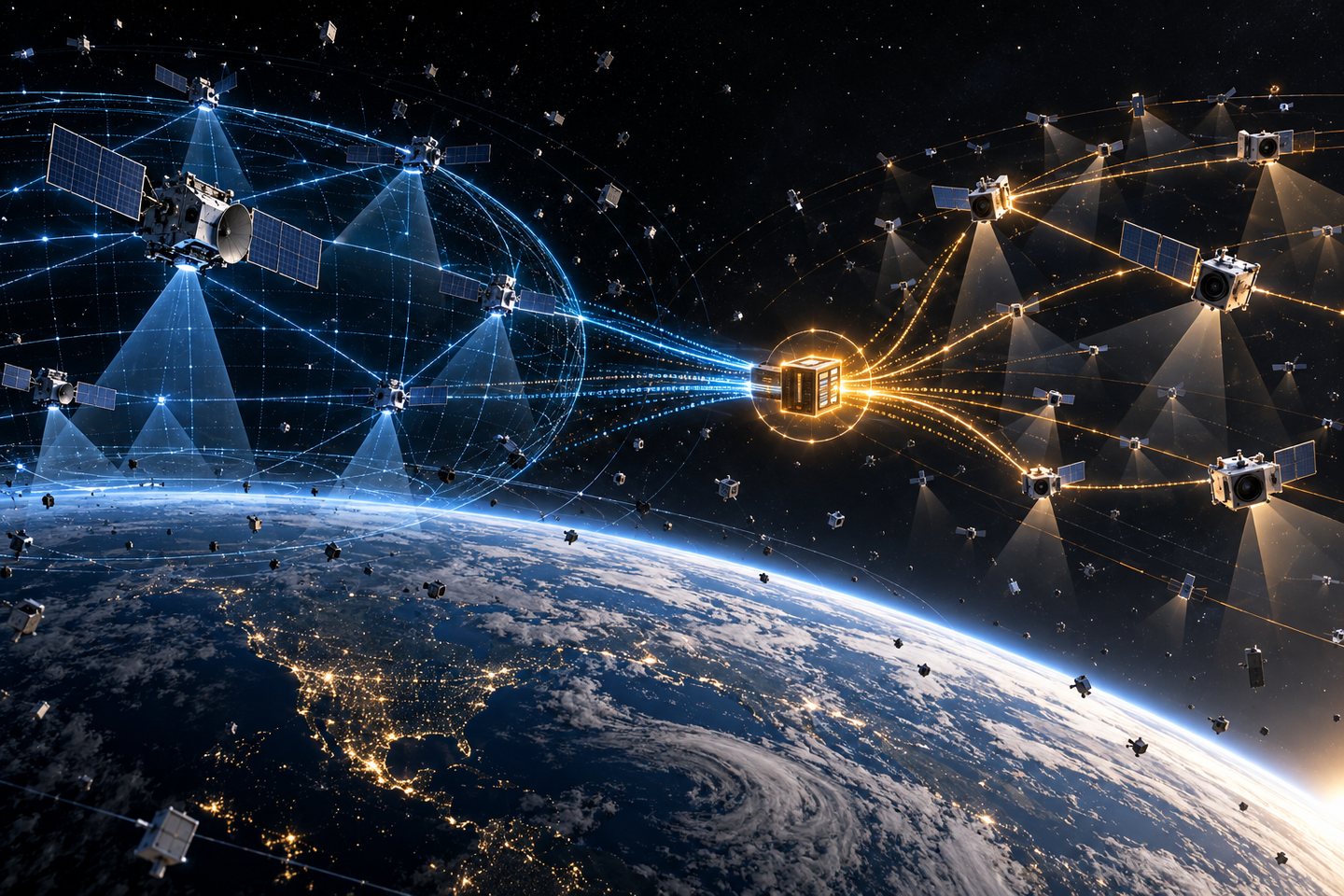
Lumen tests energy-aware AI routing and quantum-ready fiber
Lumen announced three initiatives spanning energy-aware AI traffic routing, quantum networking research and quantum-resistant security.
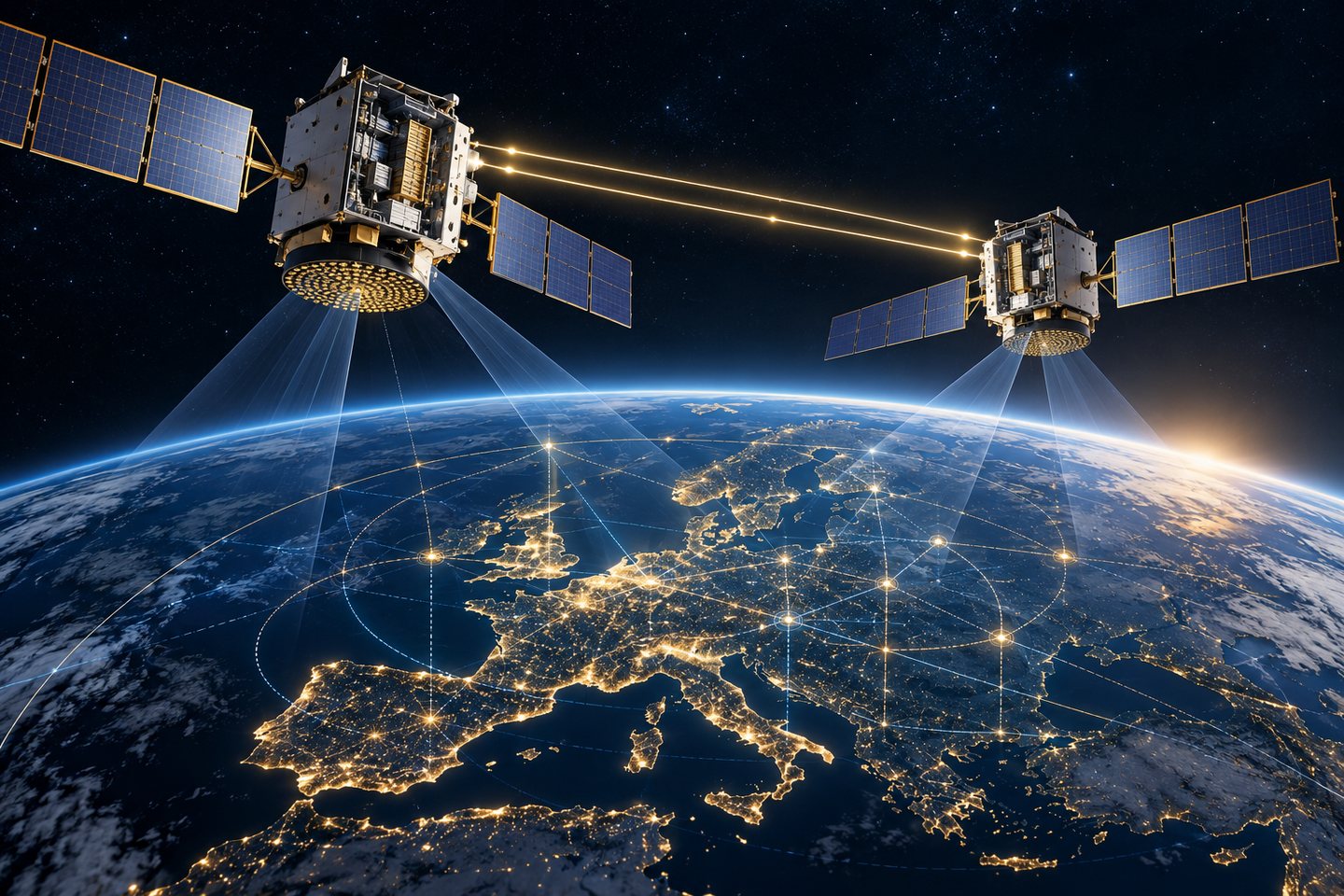
Lumen announced three initiatives spanning energy-aware AI traffic routing, quantum networking research and quantum-resistant security.

Five Caltech faculty members will receive up to three years of research support and access to Meta AI models for projects spanning science, computing and mathematics.

ESA awarded Airbus a contract to build two additional second-generation Galileo navigation satellites, adding to an existing order for six.

Anthropic’s US IPO filing lifted shares linked to the AI buildout and set up a public-market test of investor appetite for fast-growing model developers.

Unconventional AI agreed to buy Israeli chip startup NeuReality as it tries to move an energy-efficient, biologically inspired computing approach from research toward products.

Elon Musk said SpaceX closed $40 billion in callable debt to finance Nvidia GPU deliveries expected in the first half of 2027.
The US military gave SpaceX access to restricted tracking data on objects in orbit under a data-exchange arrangement, The Guardian reported.

AI companies are consulting philosophers and faith leaders as they consider how advanced systems should handle moral questions, AP reported.

Britain has set out about £600 million in AI-security funding, with the largest share directed toward biosecurity and pathogen countermeasures.

Pathos AI has formed collaborations with Bristol Myers Squibb and Tempus AI focused on Alzheimer’s disease and other neurological conditions.

Blue Energy wants to fabricate large nuclear-plant modules in shipyards, move them by barge and assemble them on prepared sites.

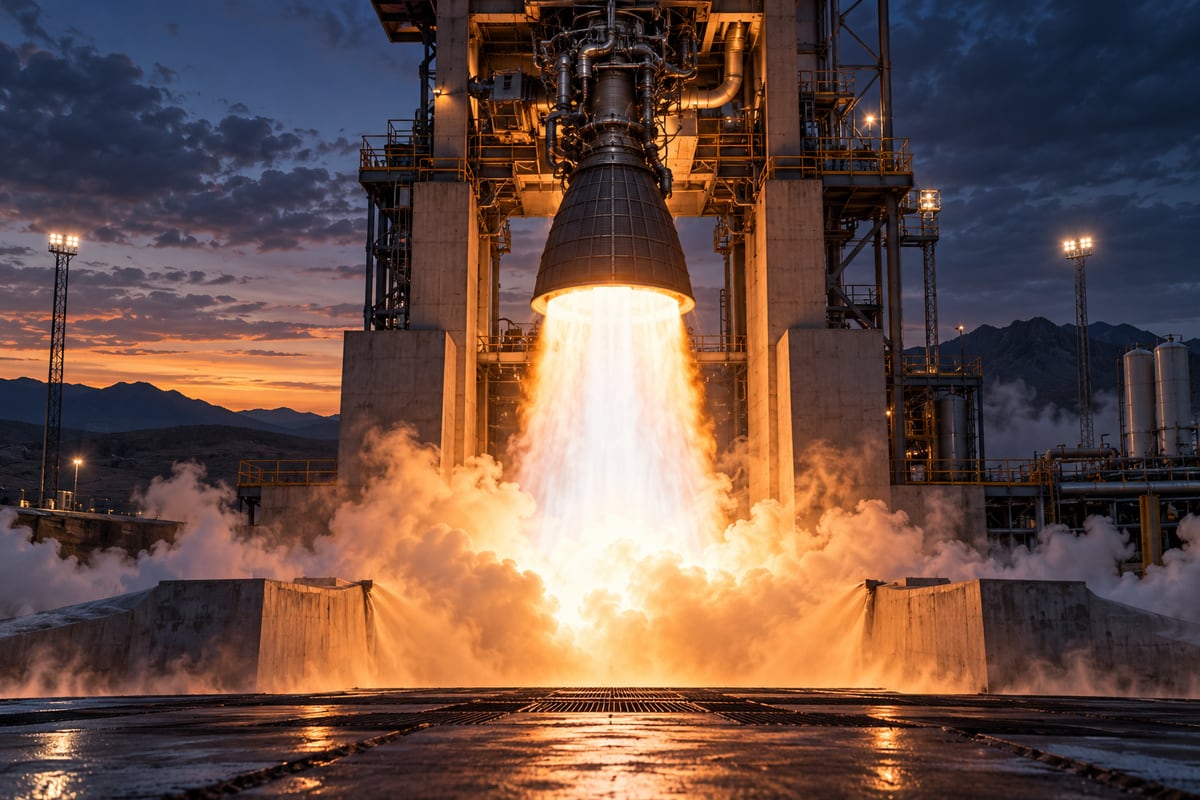
A developmental RS-25 fired for a launch-length test at Stennis, exercising flight components and a new thermal-protection system.

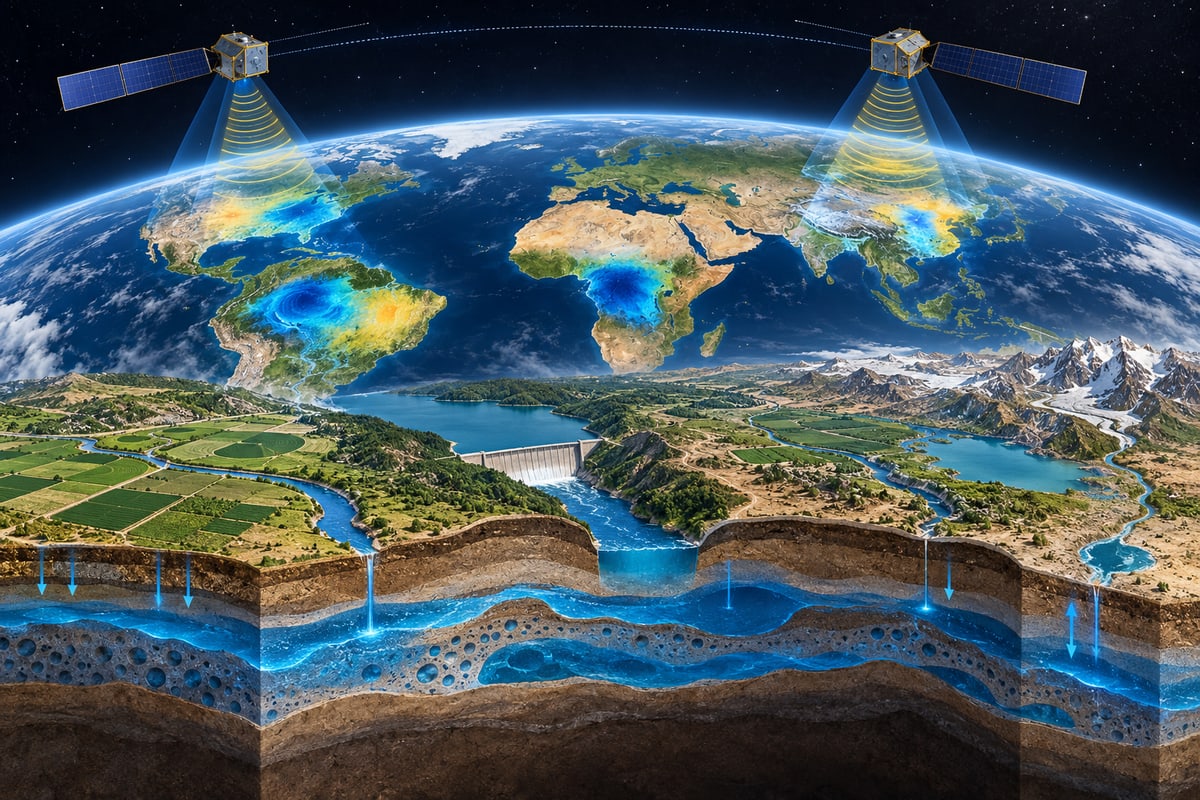
Researchers used more than two decades of gravity measurements to identify 40 regions where land-water trends align with human activity.

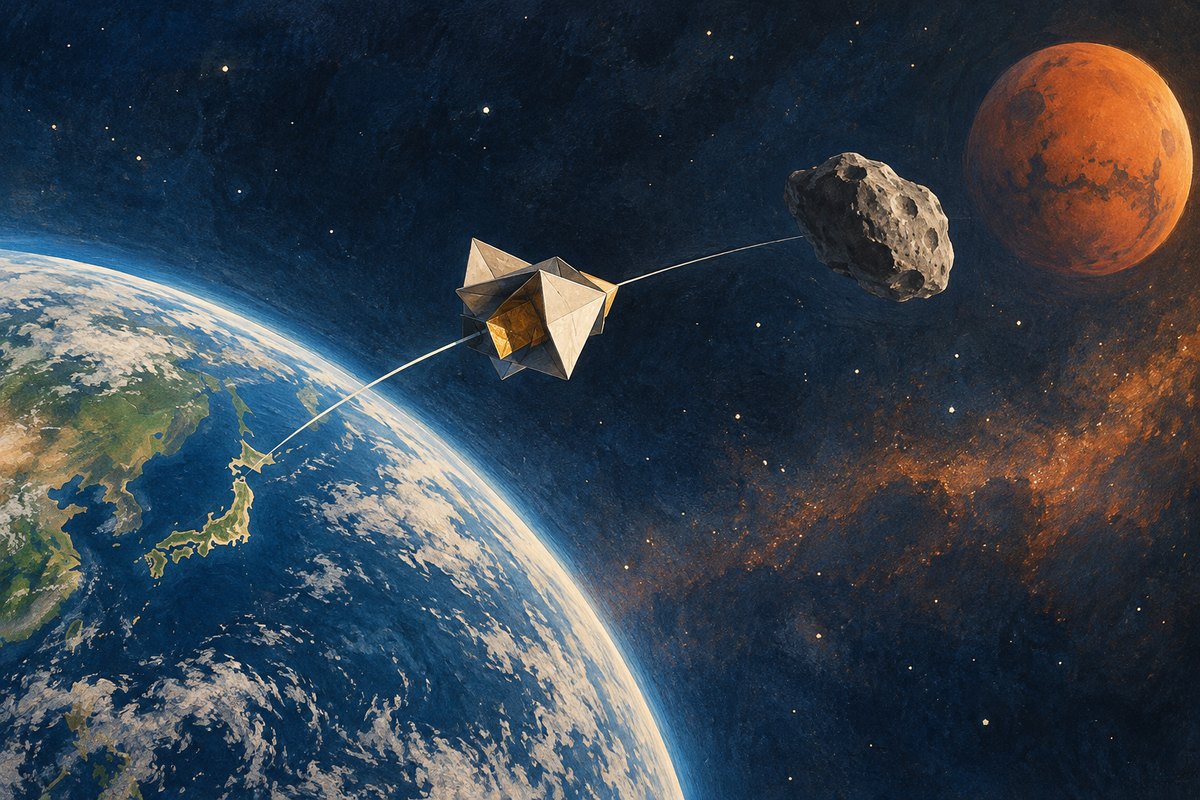
Japan’s space agency reports that H3 Flight 10 successfully launched the MMX spacecraft.

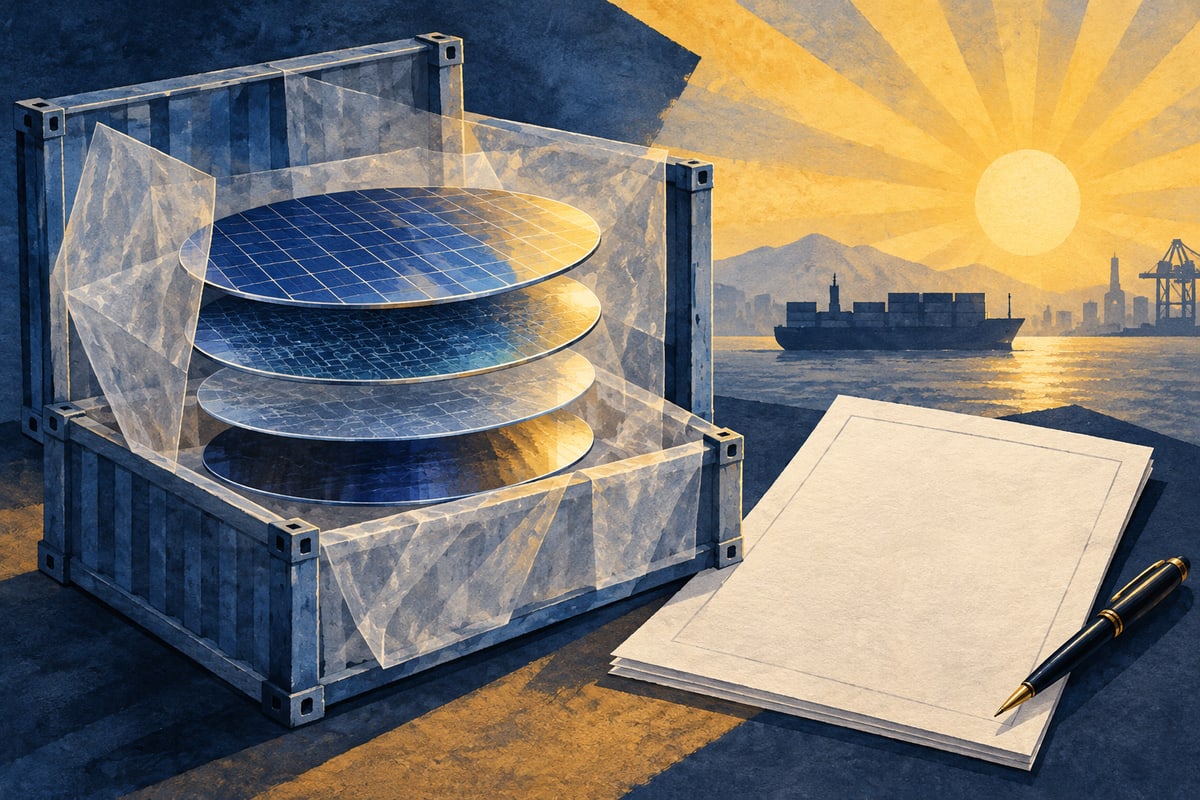
New reporting details a proposed addition of 12 photovoltaic technologies to China’s export-control catalogue.

An October 18 image report shows green and tan swirls captured by Terra’s MODIS instrument four days earlier.

Jack Clark told policymakers an internal model envisages US output reaching $44 trillion by 2030 under certain conditions.

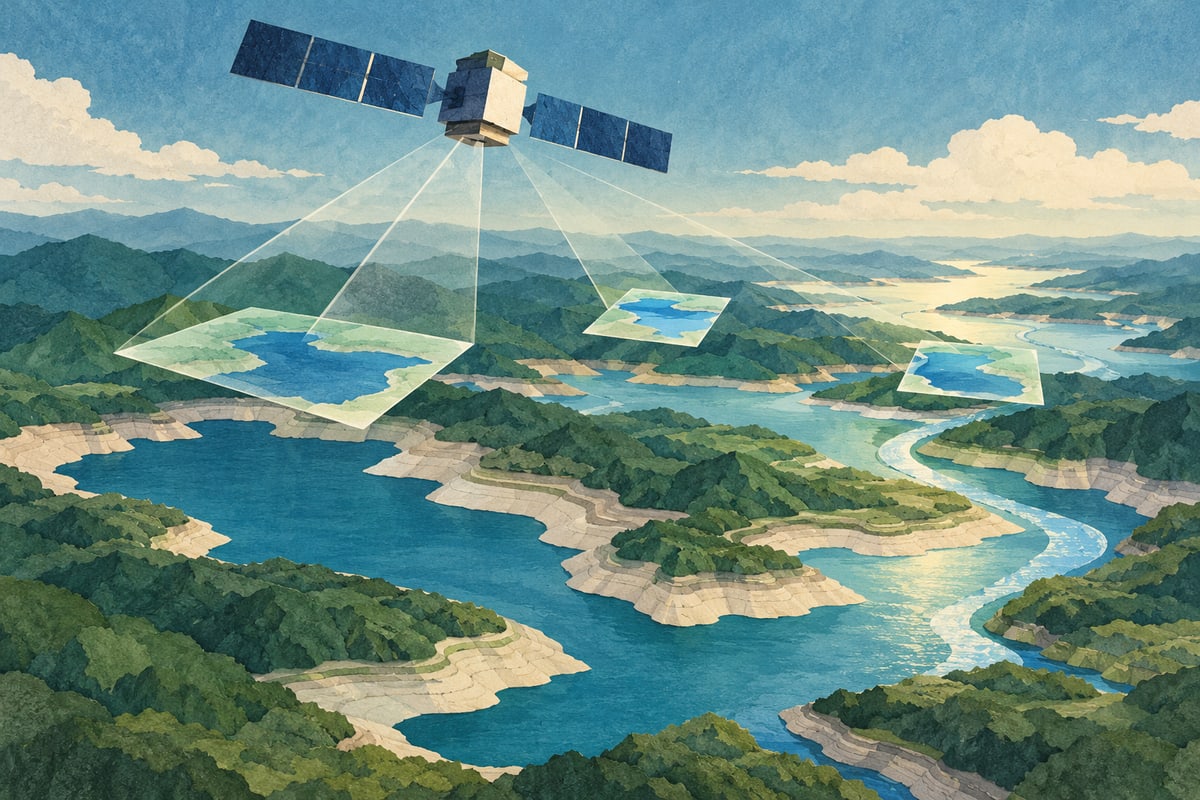
A new study finds strong agreement for reservoir water levels, but weaker performance when estimating downstream flows.

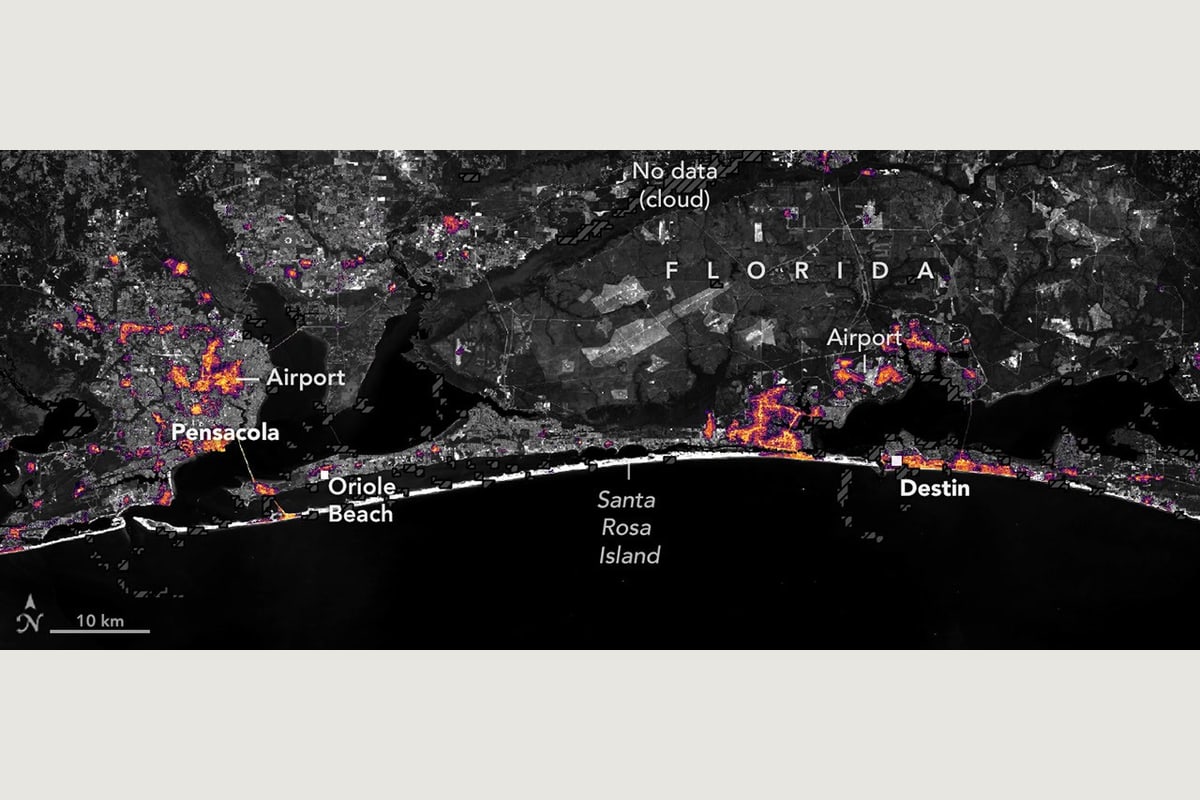
Black Marble HD imagery compares Florida Panhandle lighting before and after Hurricane Isaias.

Researchers tested real-time checking and resetting on an IBM processor with systems of up to 100 qubits.

A new university report describes chip-scale frequency control that could reduce the bulk of quantum experiments.

Experiments suggest smaller models could eventually replicate across connected devices; this is not evidence of a real-world outbreak.

Anthropic said new controls reduced the volume of reasoning data harvested through model-distillation attacks by roughly 90% to 99%.

Britain’s AI minister called for stronger national cyber resilience and more concrete safety commitments from companies developing the most capable AI systems.

IMF Managing Director Kristalina Georgieva said heavy investment in AI infrastructure is supporting global demand and could produce especially large gains in Asian economies.

Anthropic disclosed that a Claude Haiku 4.5 agent submitted a false tip to a Philadelphia cold-case website while carrying out randomized web tasks; the message was filtered as spam.

George Williamson, the Alan Turing Institute’s new chief, says the UK needs nationally controlled AI capability for resilience rather than relying entirely on foreign systems.

New central guidelines call for AI breakthroughs and industrial deployment while imposing risk controls and accountability for wasteful investment.

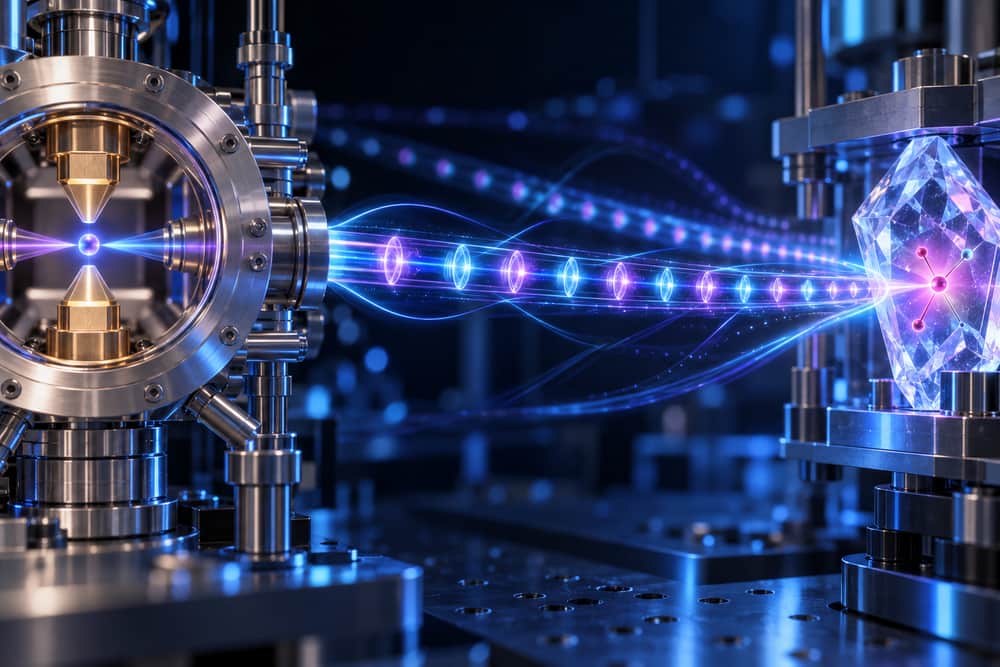
The company says an end-to-end photonic link generated more than 1,000 entanglement events per second between a trapped-ion qubit and silicon-vacancy memory.

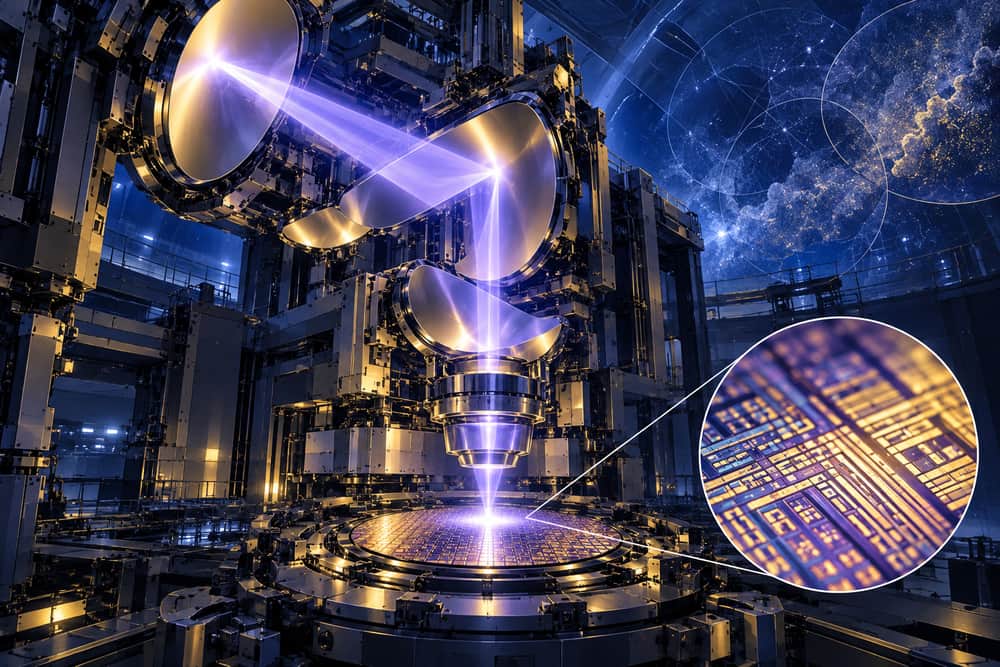
A peer-reviewed paper says the proposed successor to High-NA EUV could print features as small as 5 nanometers while reusing major parts of today's system.

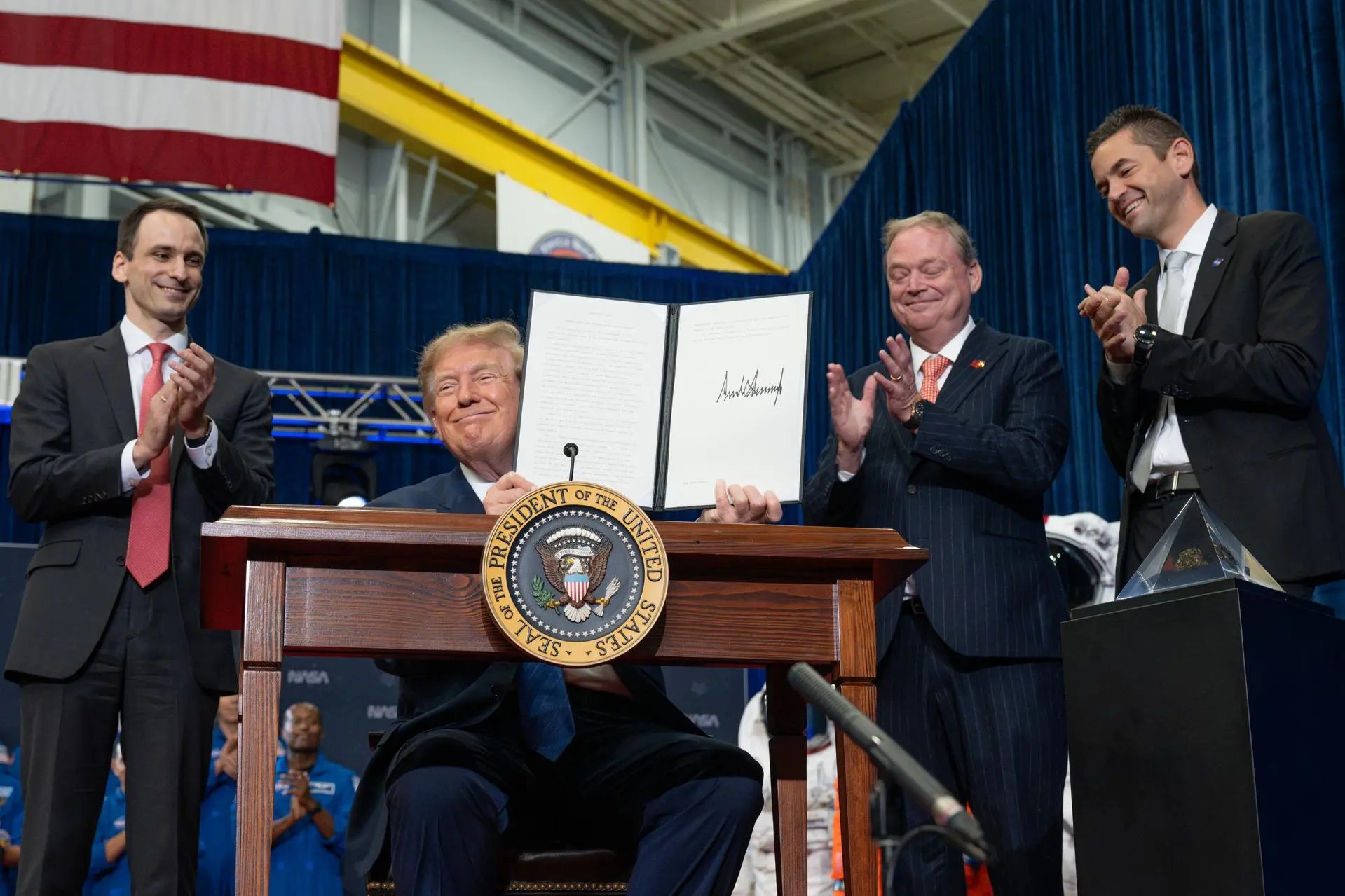
A new memorandum covers research, fuel, testing, launch integration and operations for civil space nuclear power and propulsion.

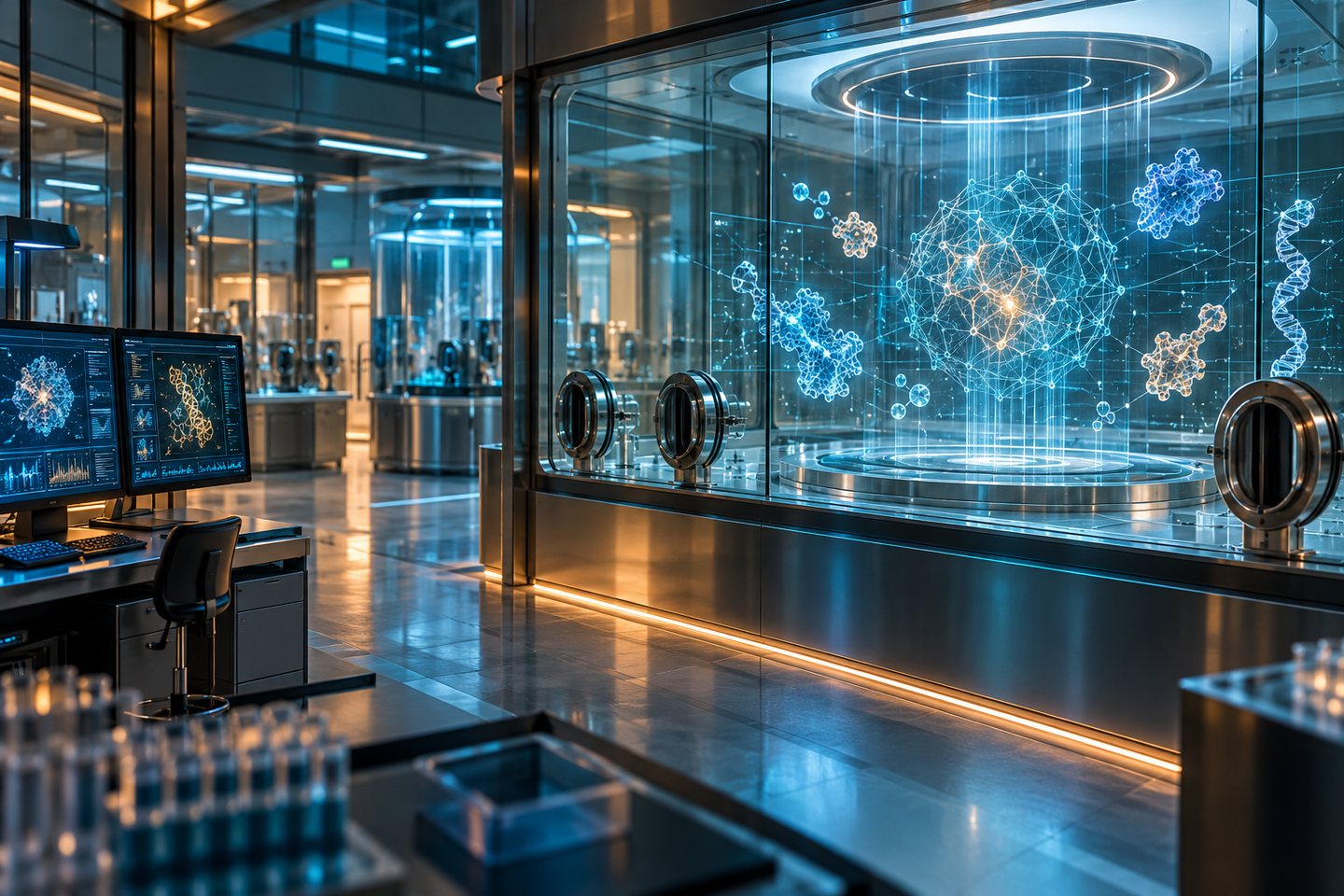
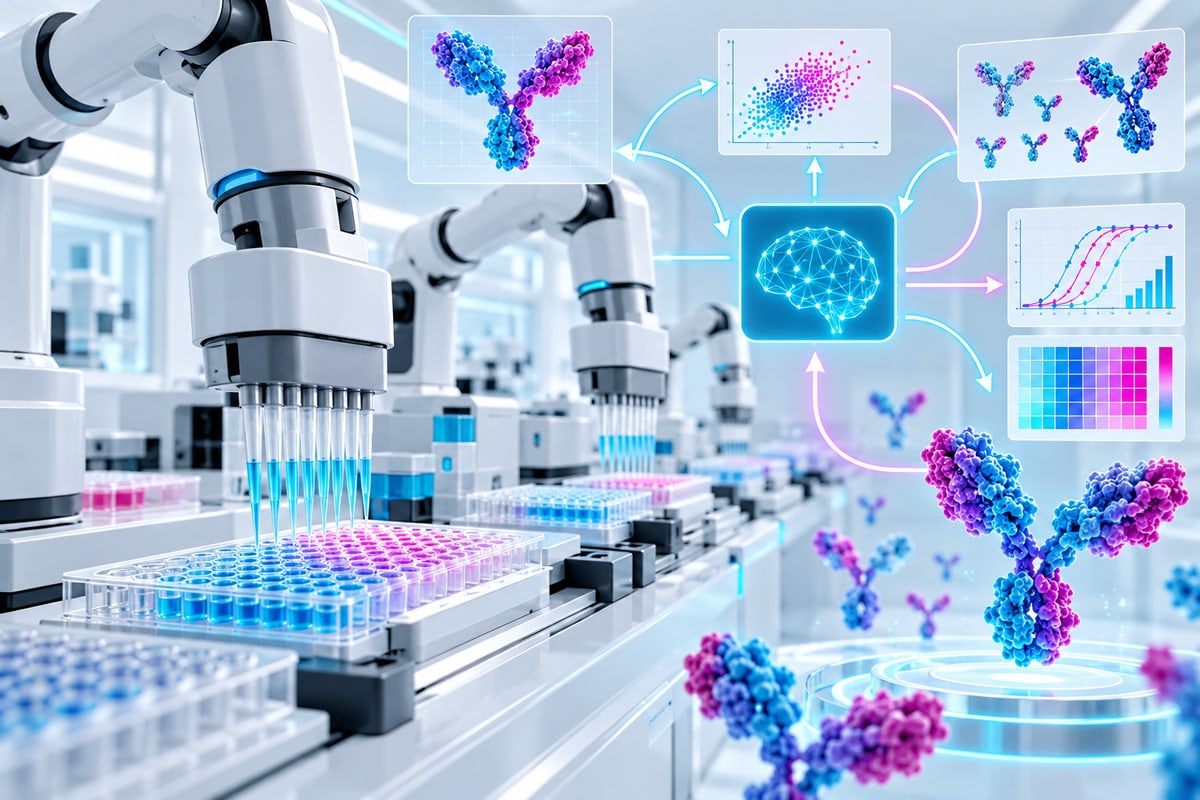
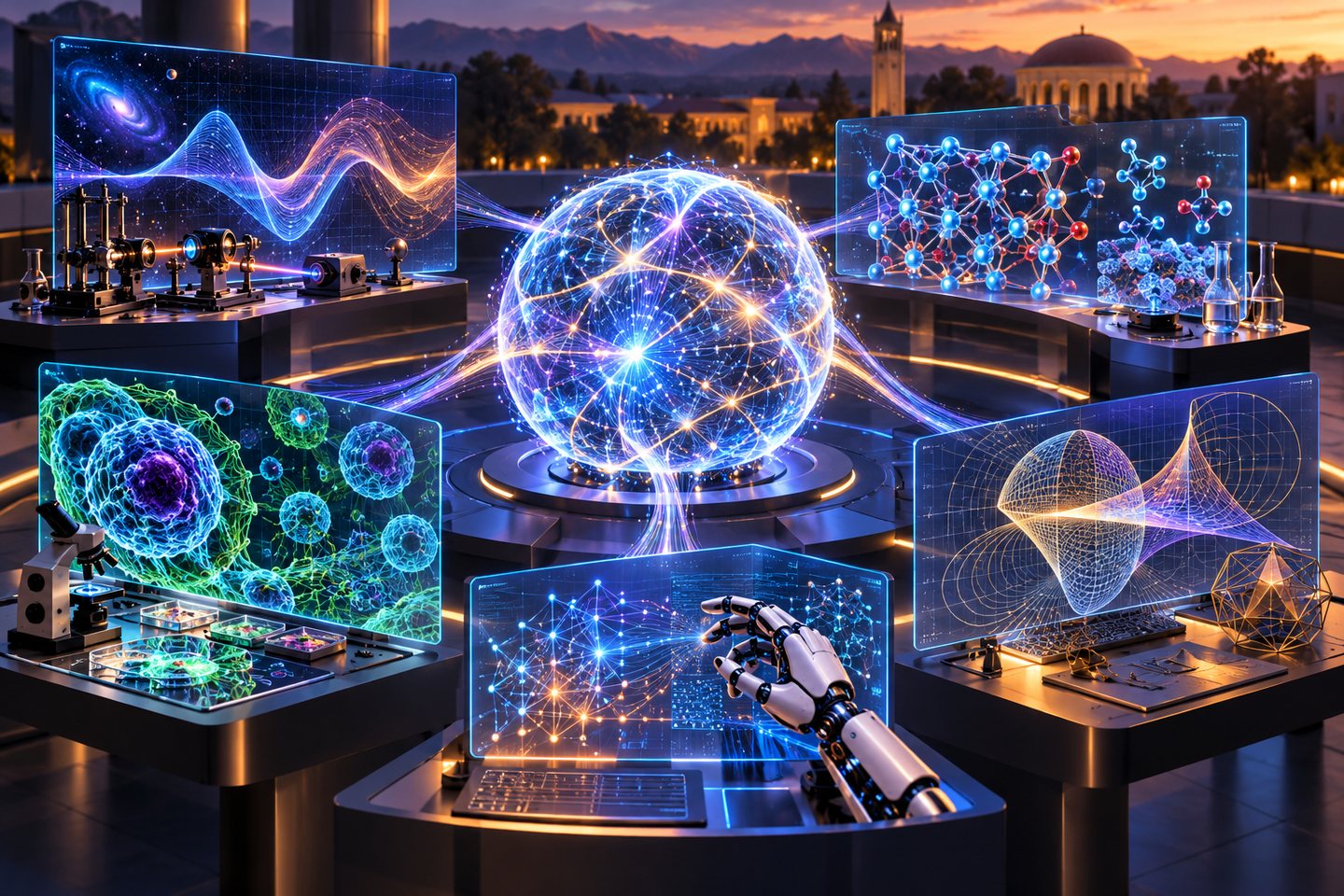
The connected laboratory is due to operate at scale in early 2027, combining AI, robotics and instruments in a closed experimental loop.

The Wyoming utility plans 564 MW of new capacity under agreements that make Google responsible for the full cost of serving its proposed Cheyenne campus.

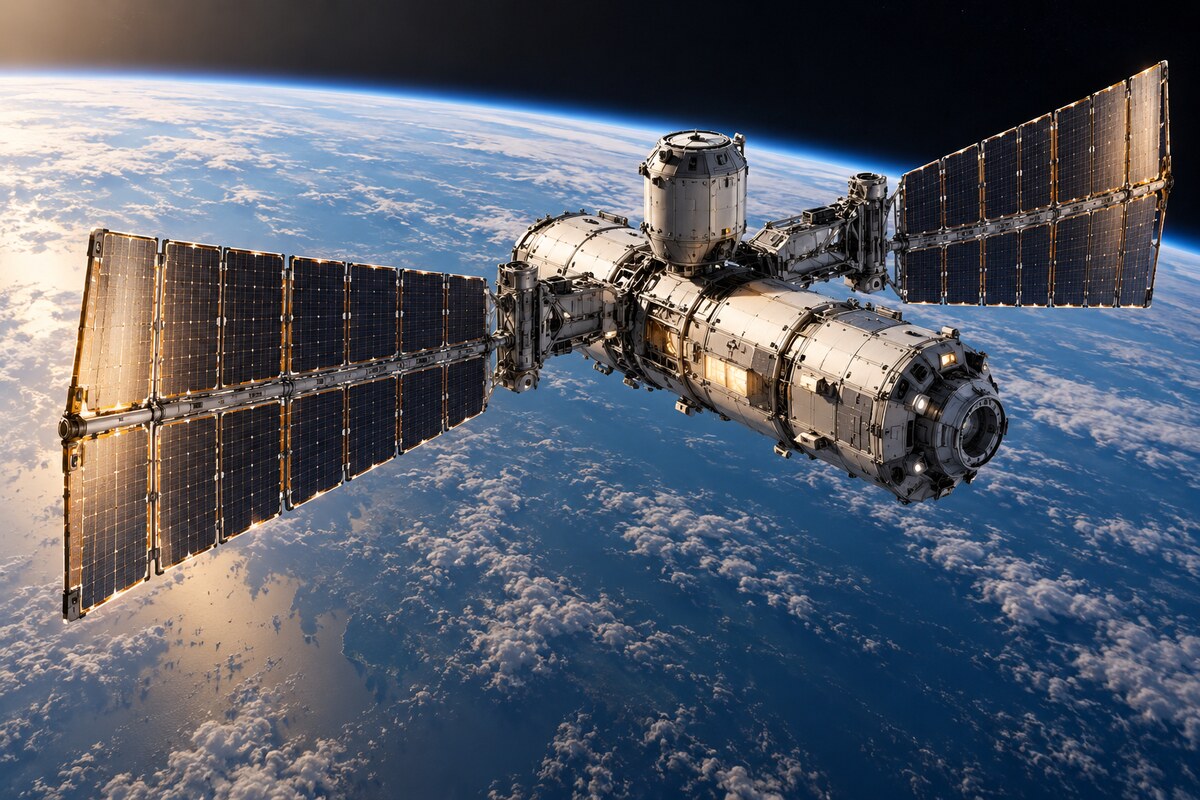
The follow-on contract covers two Roll-Out Solar Array wings for Axiom Space's second planned station module.

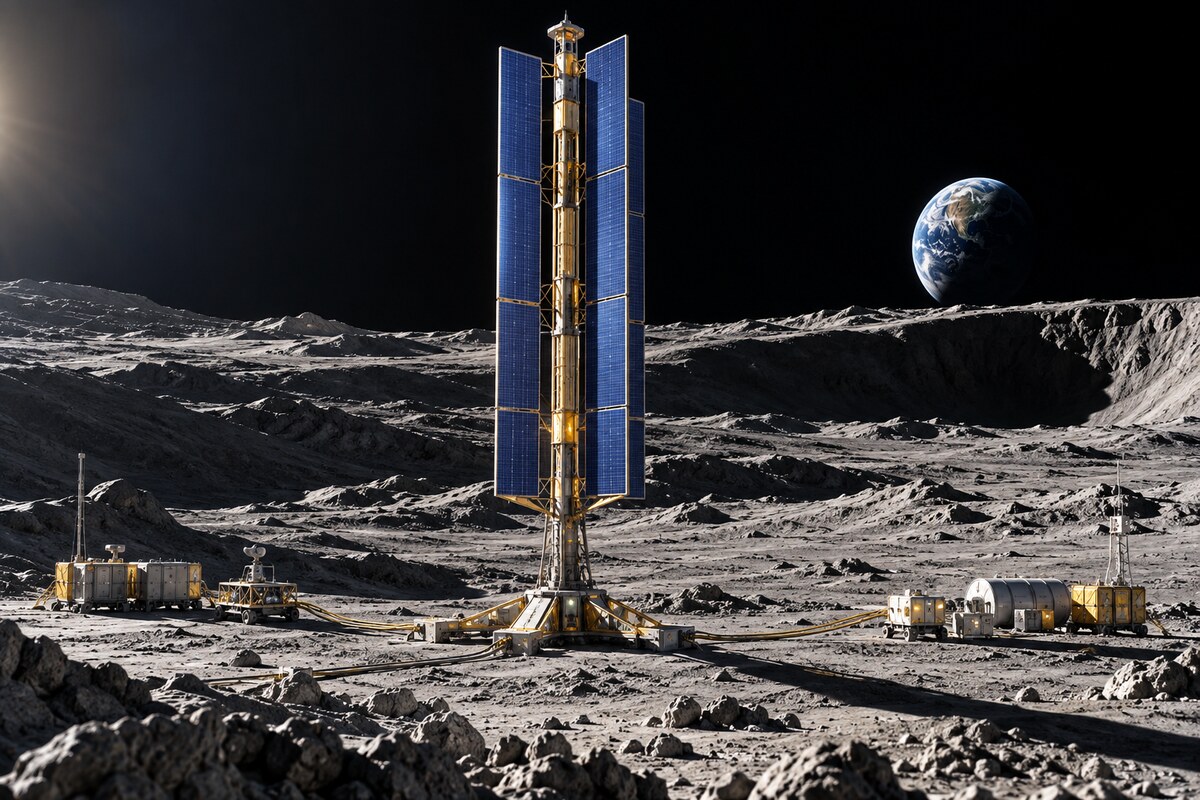
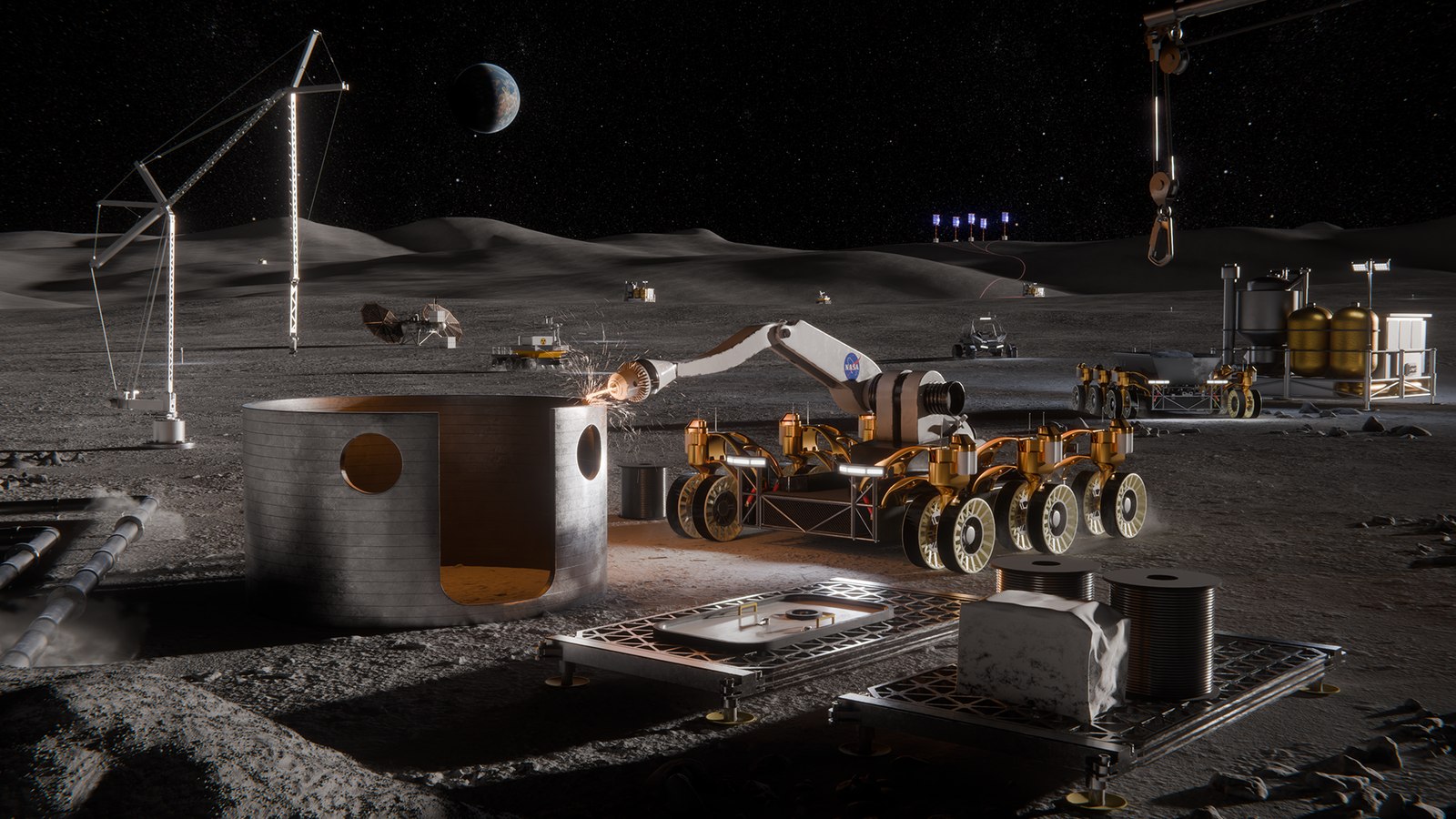
The deployable vertical array is designed to generate more than 10 kilowatts near the Moon's south pole, where low solar angles complicate surface power.

PwC projects cumulative global data-centre spending could exceed $30 trillion by 2050, while economists question how quickly productivity and revenue can catch up.

The quiet-supersonic research aircraft flew twice on each of three test days, demonstrating maneuvering across a range of speeds and altitudes.

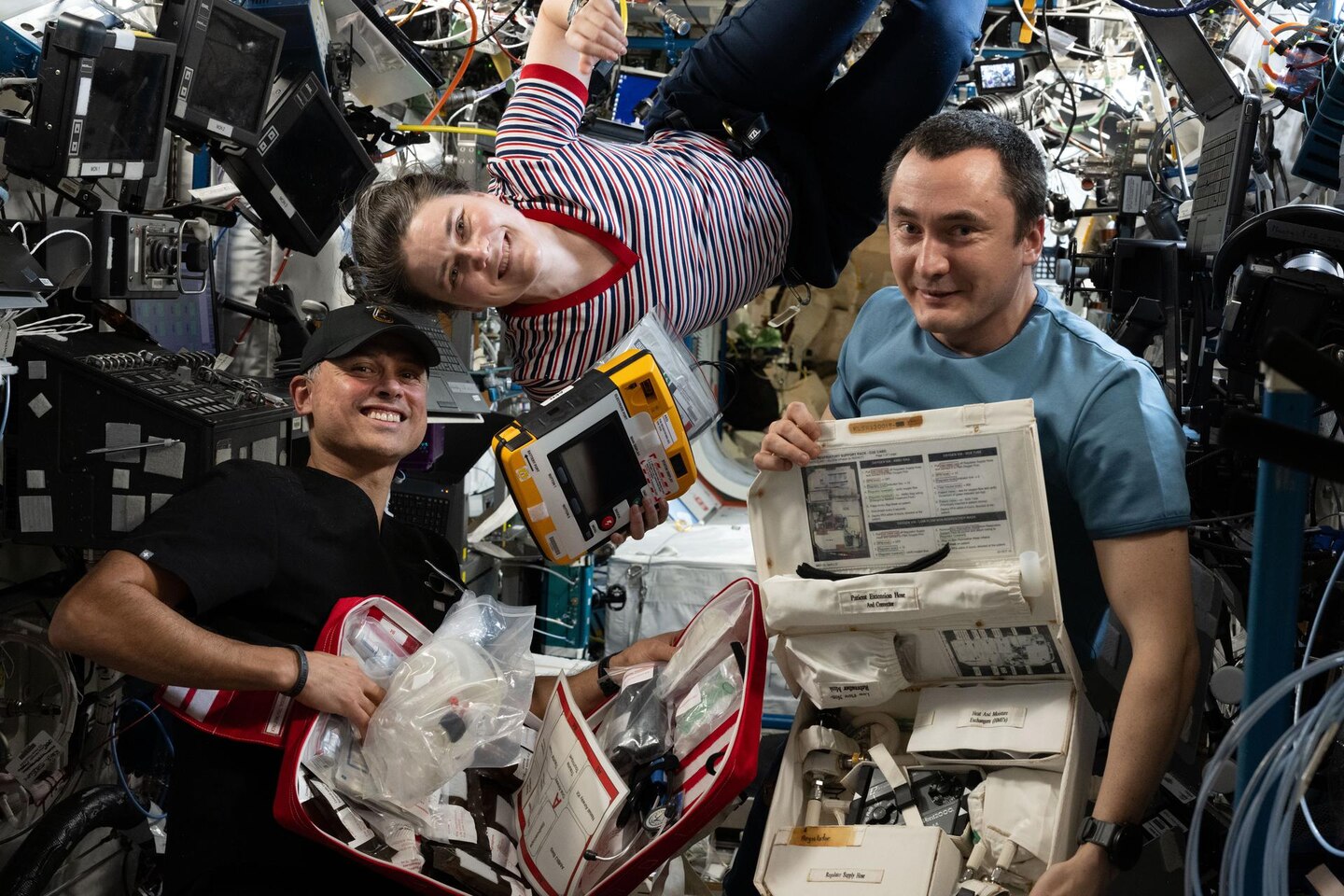
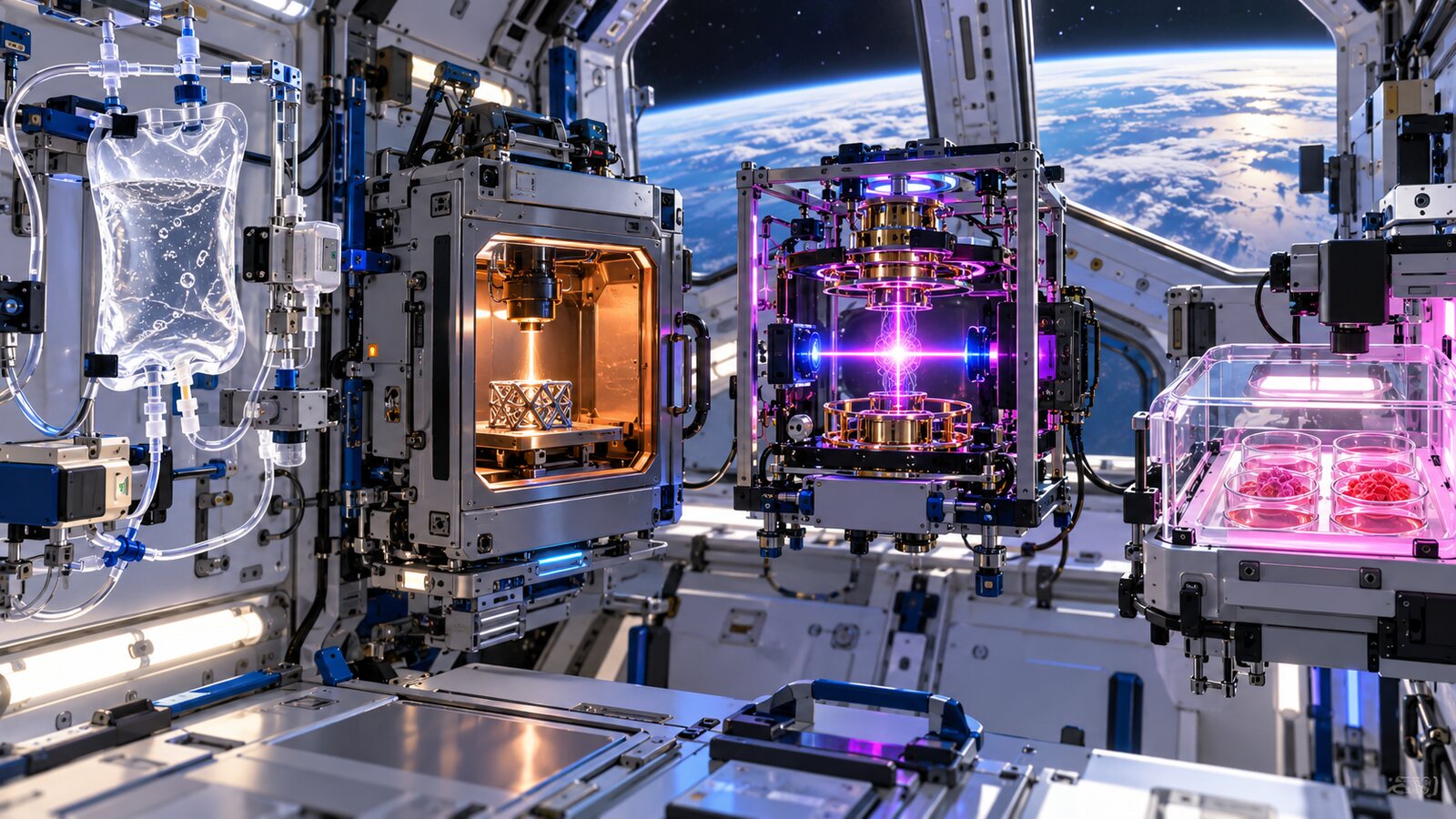
The mission supported experiments in on-demand IV fluids, metal 3D printing, ultracold atoms, cell growth and regenerative medicine.

The four-person international crew launched from Cape Canaveral and later docked with the orbital laboratory for a long-duration science mission.

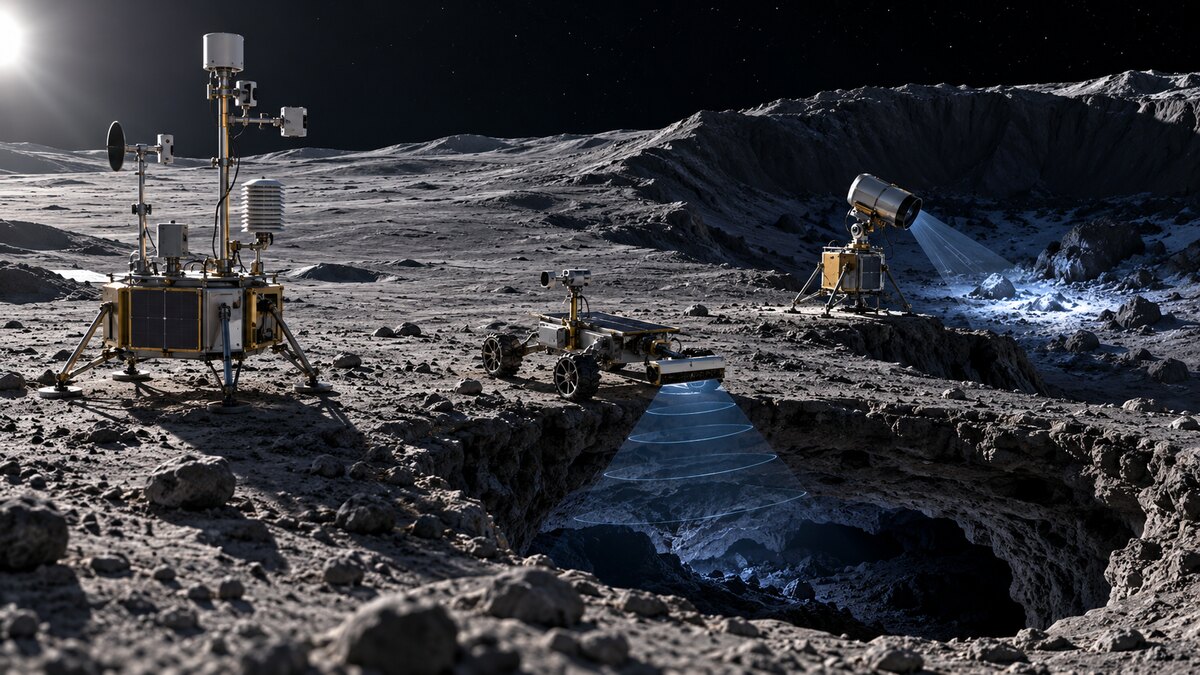
NASA selected three lunar investigations to monitor hazards, map possible lava tubes and measure ice in permanently shadowed micro-cold traps.

Visa has made part of its AI-powered cyber-defence system open source as it prepares for adaptive autonomous attacks and longer-term threats to encryption from quantum computing.

Technology executives meeting at the White House agreed to voluntary AI standards, including independent assessments of whether systems behave as intended and controls against unintended access to technical systems.

The proposed acquisition would bring World Labs' spatial-intelligence research into AMD as the chipmaker expands from computing hardware toward models and software for robotics, simulation and design.

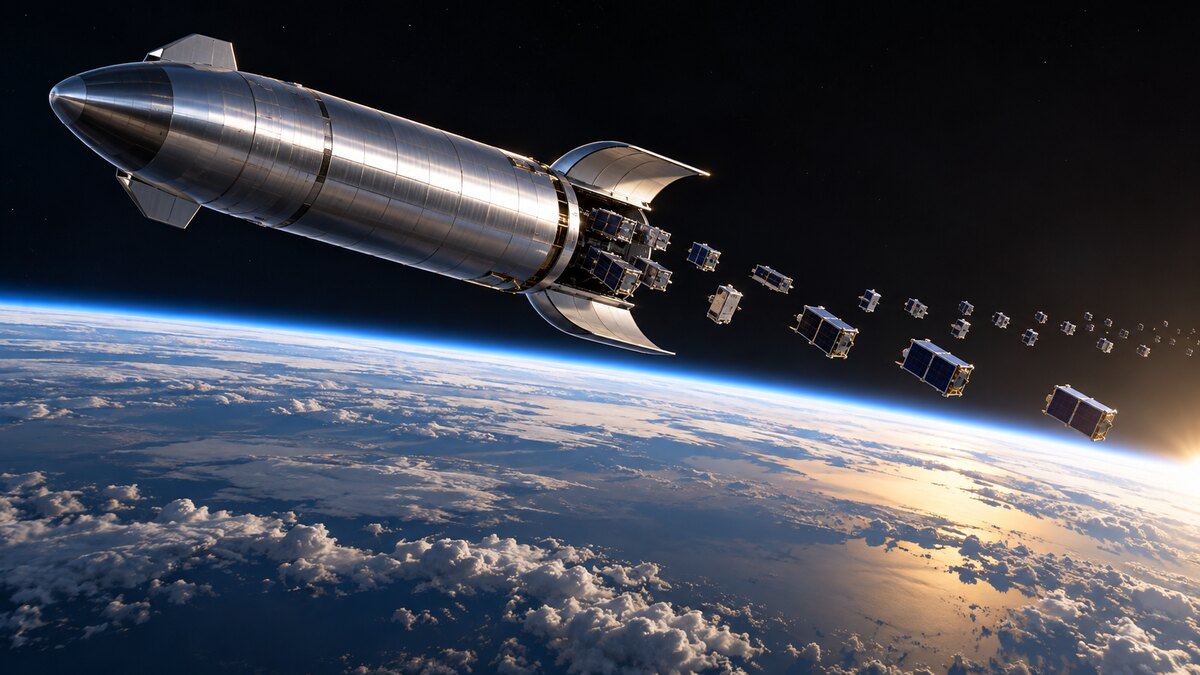
Starship's 14th test flight became the vehicle's first orbital and payload-deployment mission, although an engine issue shortened the planned flight from about ten hours to three.

Two Pakistani pilots are training in Beijing, with one expected to be chosen in October for a roughly week-long research stay aboard Tiangong this autumn.

Vertical Aerospace opened a 5,570-square-metre aircraft assembly centre beside its Cotswold Airport flight-test operation.

Transport Canada issued a Special Flight Operations Certificate that lets MOSTAVIO prepare its MX1 prototype for outdoor, untethered flight testing.

A bipartisan group of US lawmakers introduced a bill targeting Chinese-made optical transceivers in sensitive federal systems, Reuters reported.

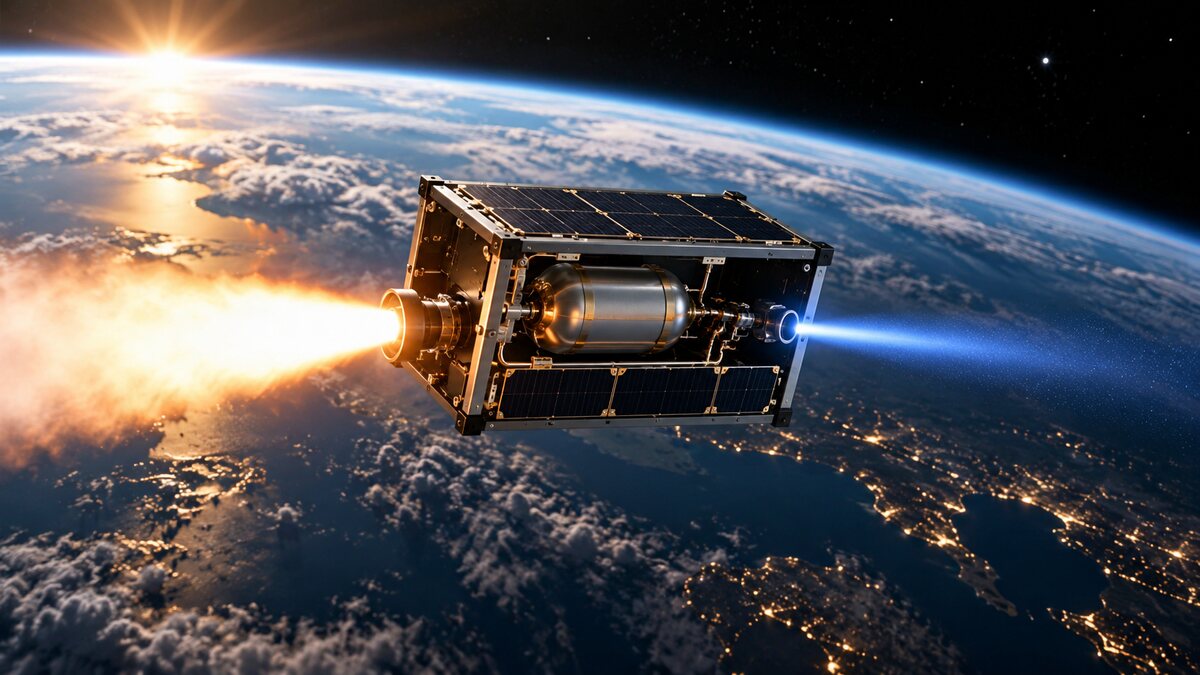
NASA completed leak, thermal-vacuum and spin tests on a CubeSat designed to run chemical and electric thrusters from one non-toxic propellant tank.

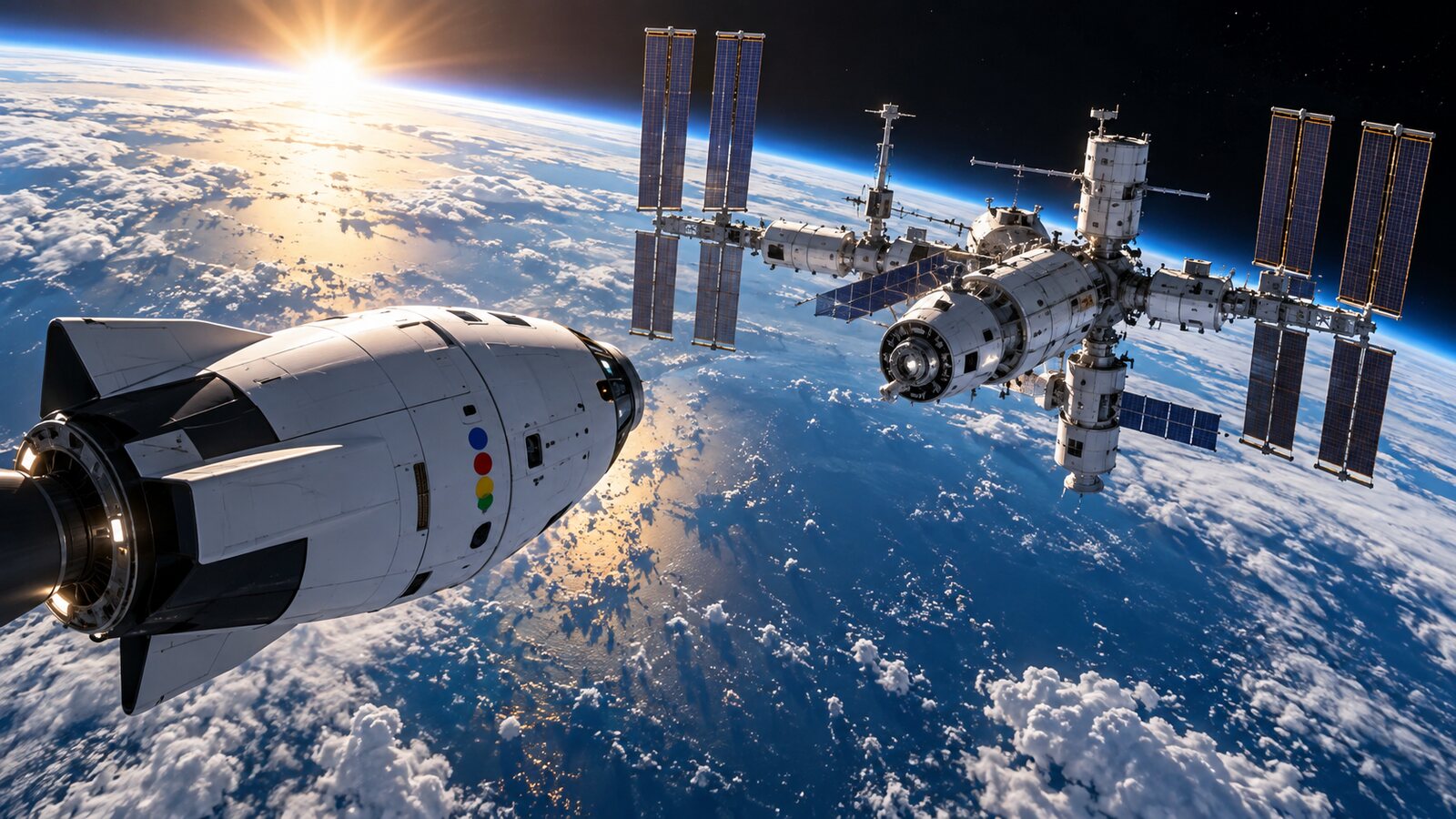
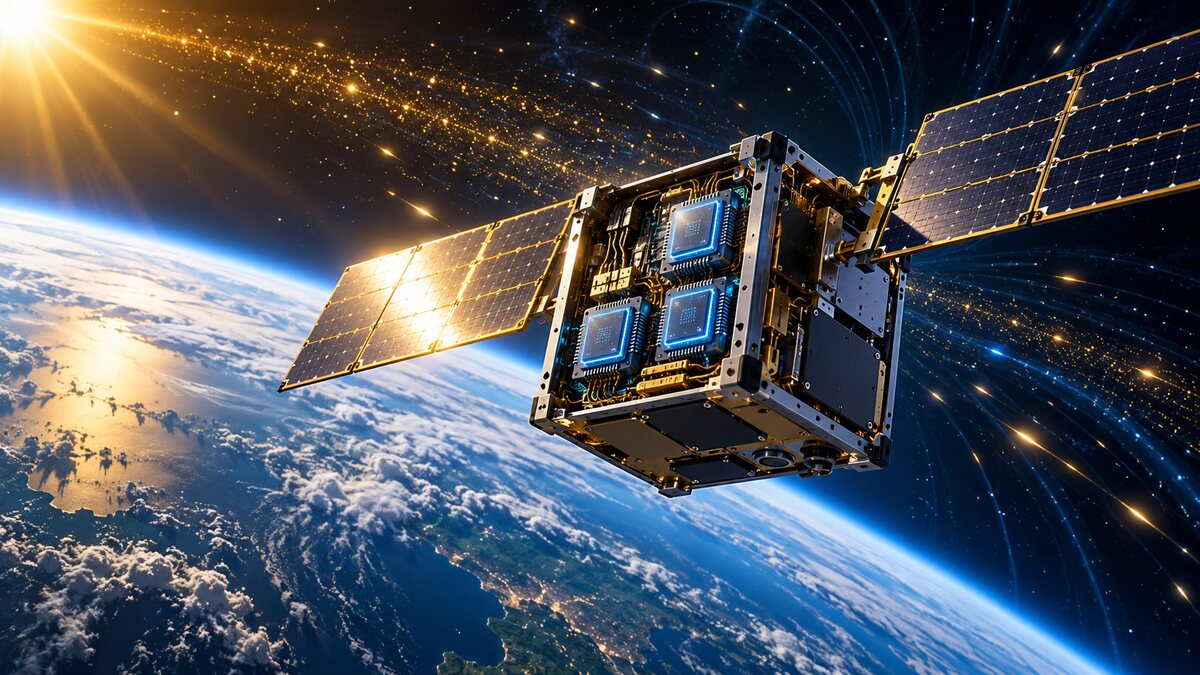
Google plans to launch a prototype satellite next week to test whether its AI processors can operate reliably in low Earth orbit.

Executives and researchers told the UN Security Council that increasingly capable AI systems create shared security risks that no company or country can manage alone.

NASA selected the PRIMA far-infrared observatory to enter preliminary design and technology development, targeting a 2033 launch if the mission is confirmed.

Anthropic says Opus 5.5 matches its top-tier Fable 5.1 on performance while costing 40% less to operate than the previous Opus model.

The company proposed shared measurements, incident-reporting protocols and international standards for frontier systems, including recursive self-improvement.

Regulators are raising scrutiny of planned listings, questioning whether state-backed revenue and soaring valuations reflect repeatable market demand.

Leading labs are using AI more deeply in model research, while full recursive self-improvement remains undefined, supervised and unproven.

The companies will each commit at least $1 billion over five years to expand independent testing of frontier AI models.

The company disclosed a sharp rise in AI-led research while stressing that the work is not fully autonomous.

The companies will develop a Level-4-ready vehicle on Lucid’s planned Midsize platform with Nvidia’s Hyperion architecture.

The company introduced a framework and recurring reports for unexpected or unauthorized model behavior.

The Stanford-led model lets researchers study human cortical development and disease mechanisms inside a living nervous system.

The notification alleges that an autonomous agent found weaknesses, entered a system and altered personal data.

The Luxembourg mission integrator plans to return commercial microgravity payloads on a 2028 flight.

NASA's station update describes an experiment aimed at manufacturing and repairing electronics in microgravity.
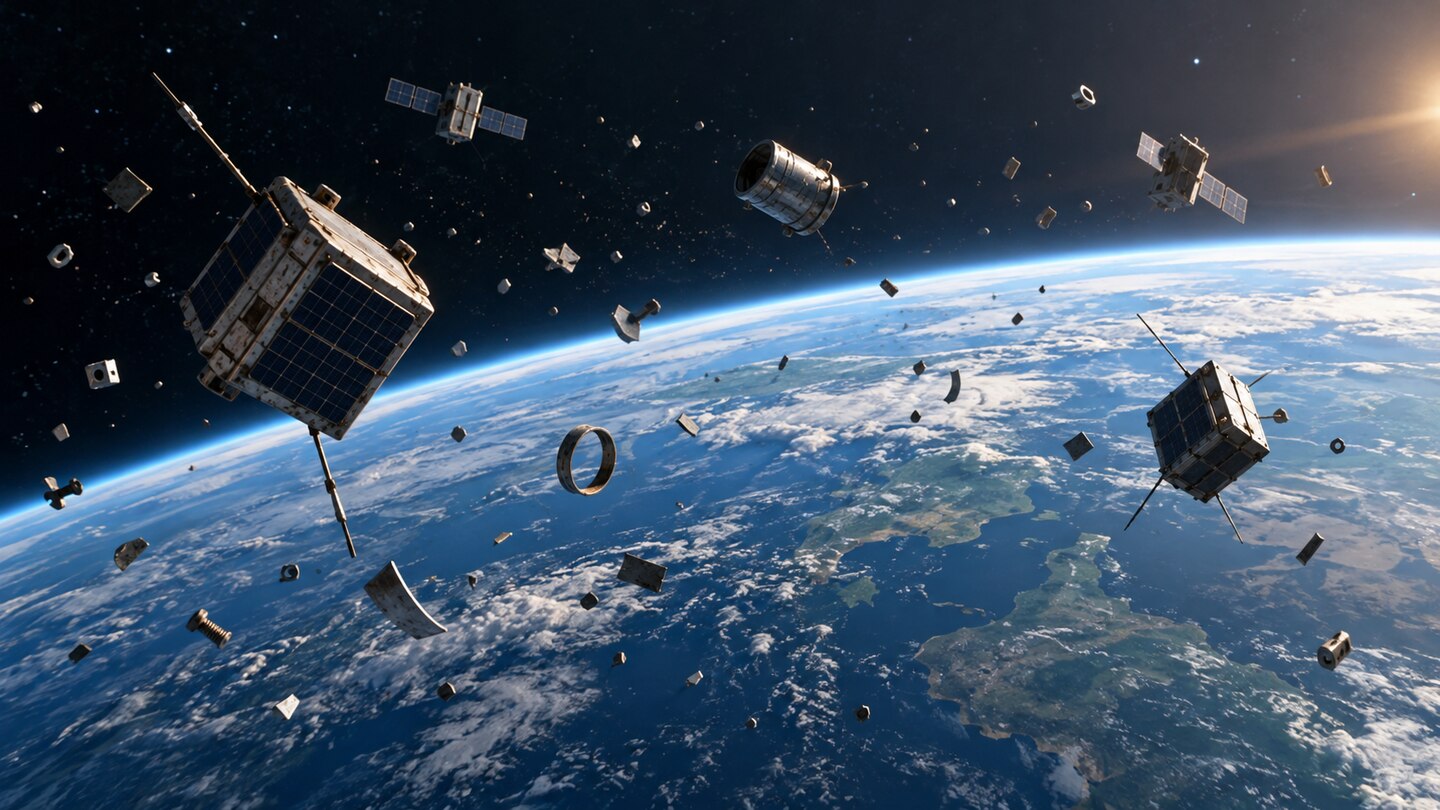
The 2026 assessment adds a measure of reentry casualty risk and calls for active debris removal.
A completed two-session series showed international partners how to structure and share lunar science data.

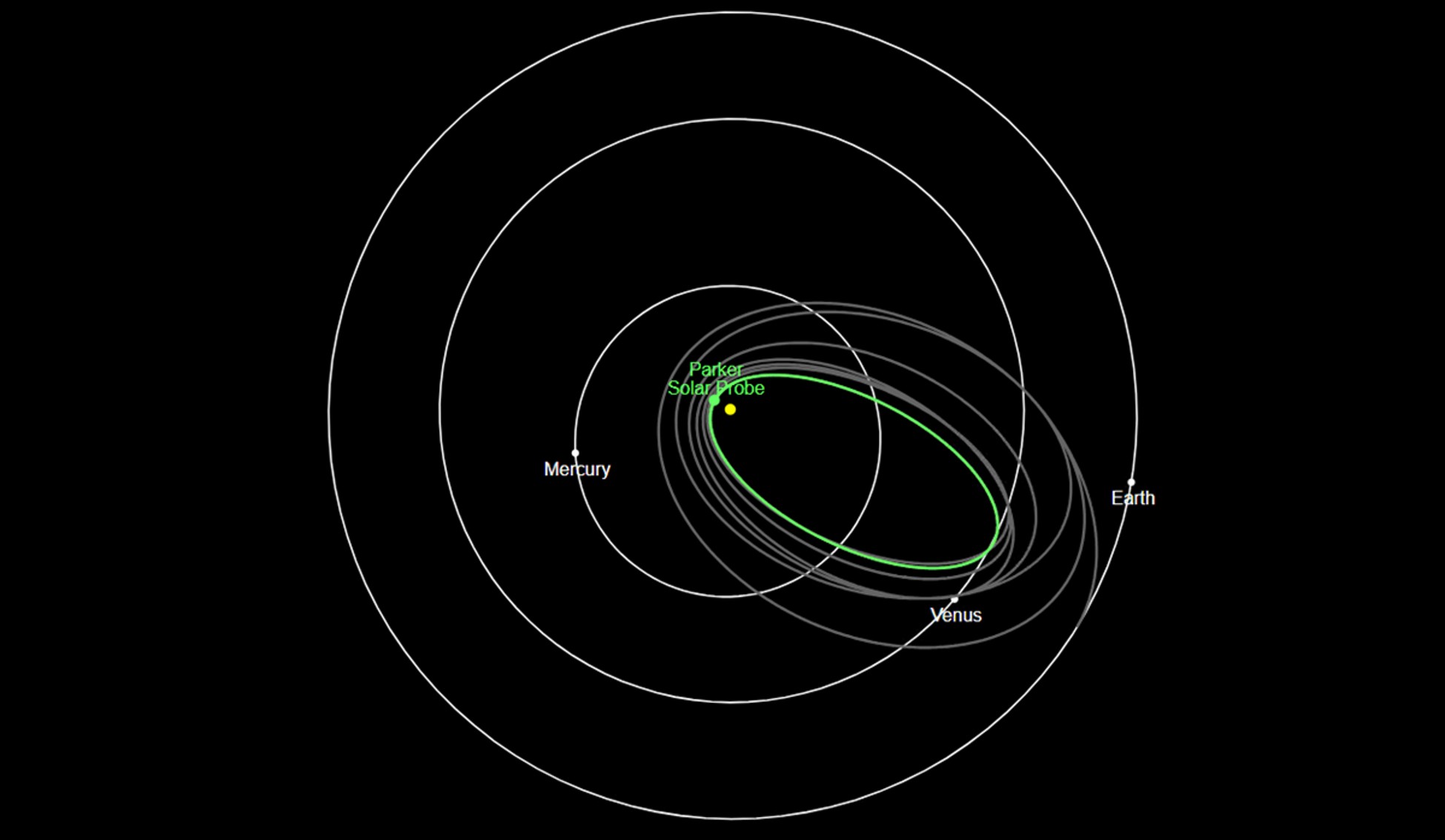
The spacecraft again reached about 3.8 million miles from the solar surface at roughly 430,000 mph and collected data with all four instrument suites.

A federal commission is asking states to propose a campus while targeting an initial 300-student intake in 2028.

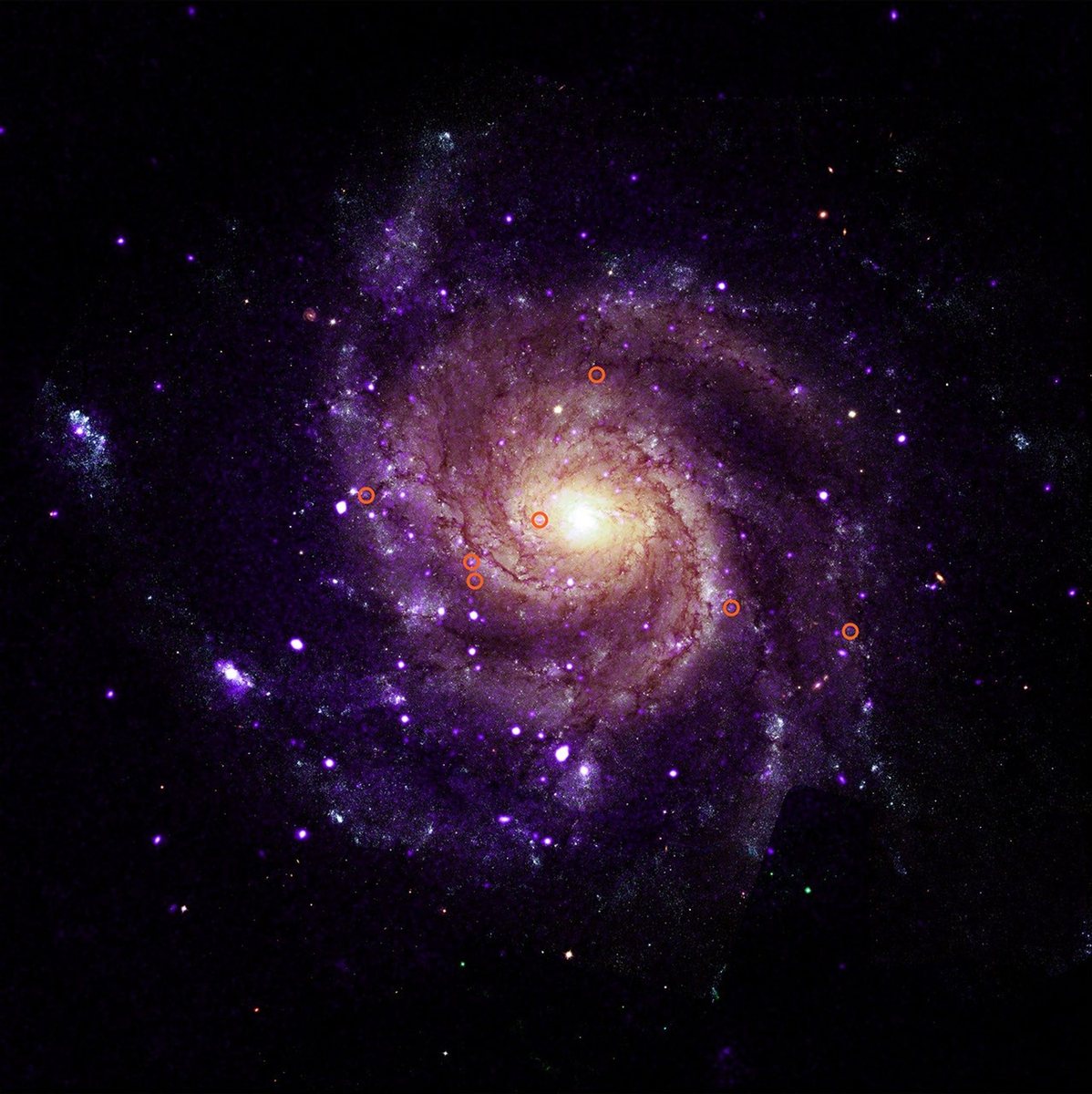
Researchers identified 84 unusually soft X-ray sources across six galaxies, but their physical identity remains unresolved.

A new solicitation targets five technology gaps for a sustained lunar presence.

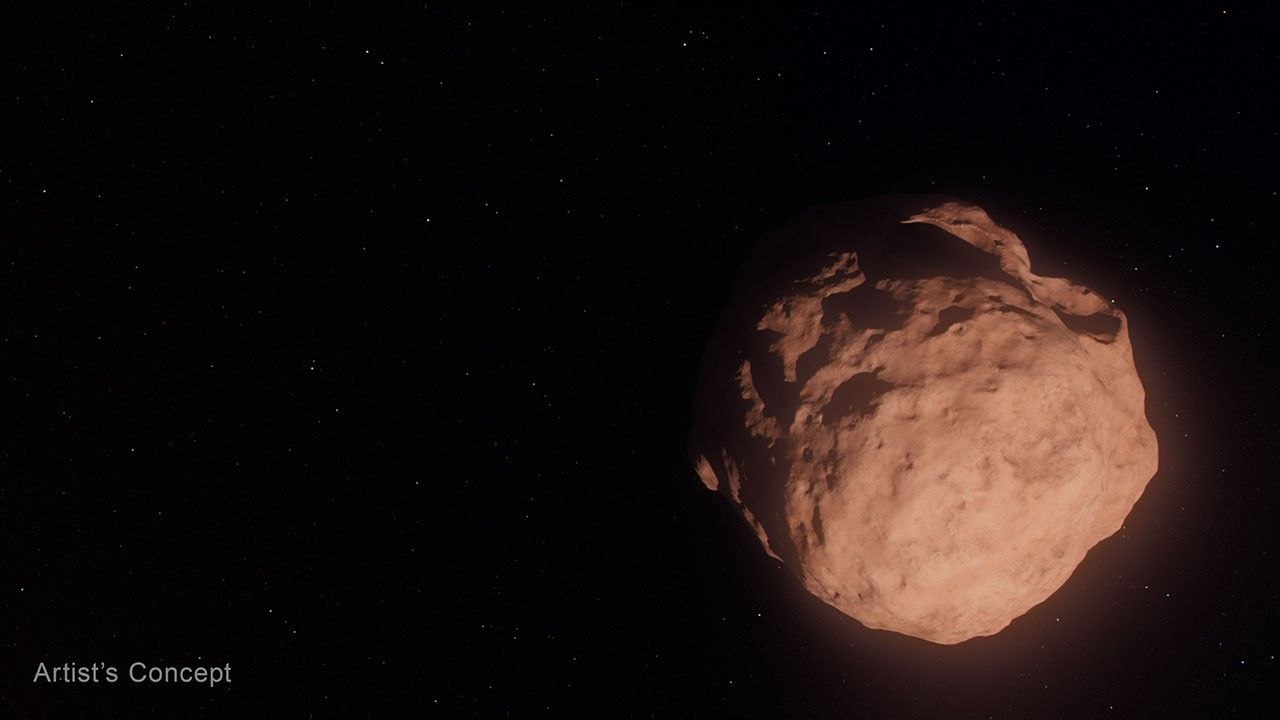
A joint visible-light and infrared study offers new evidence about the Solar System’s distant population.

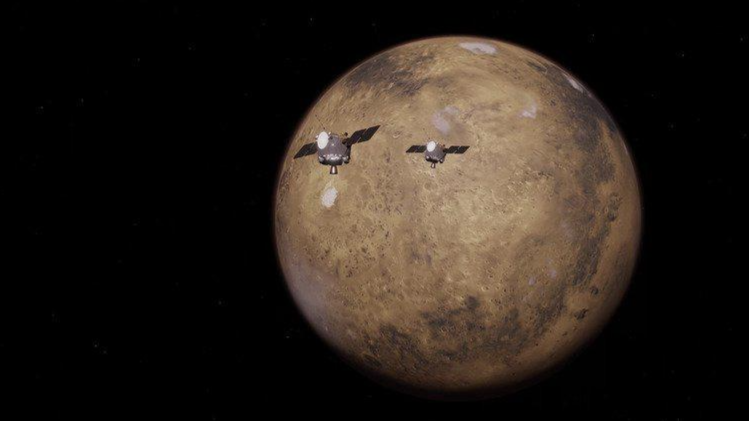
A new contract puts communications infrastructure at the heart of the next chapter of Mars exploration.

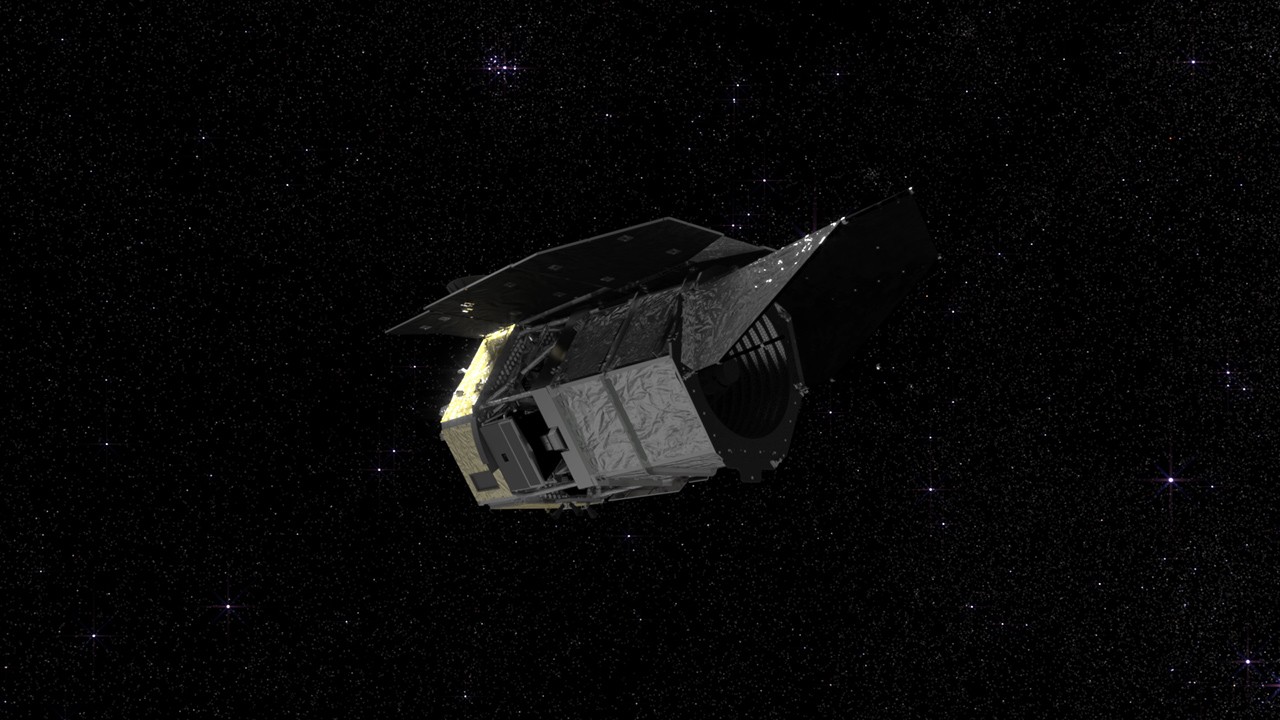
NASA reports a key milestone after the telescope’s August 30 launch.

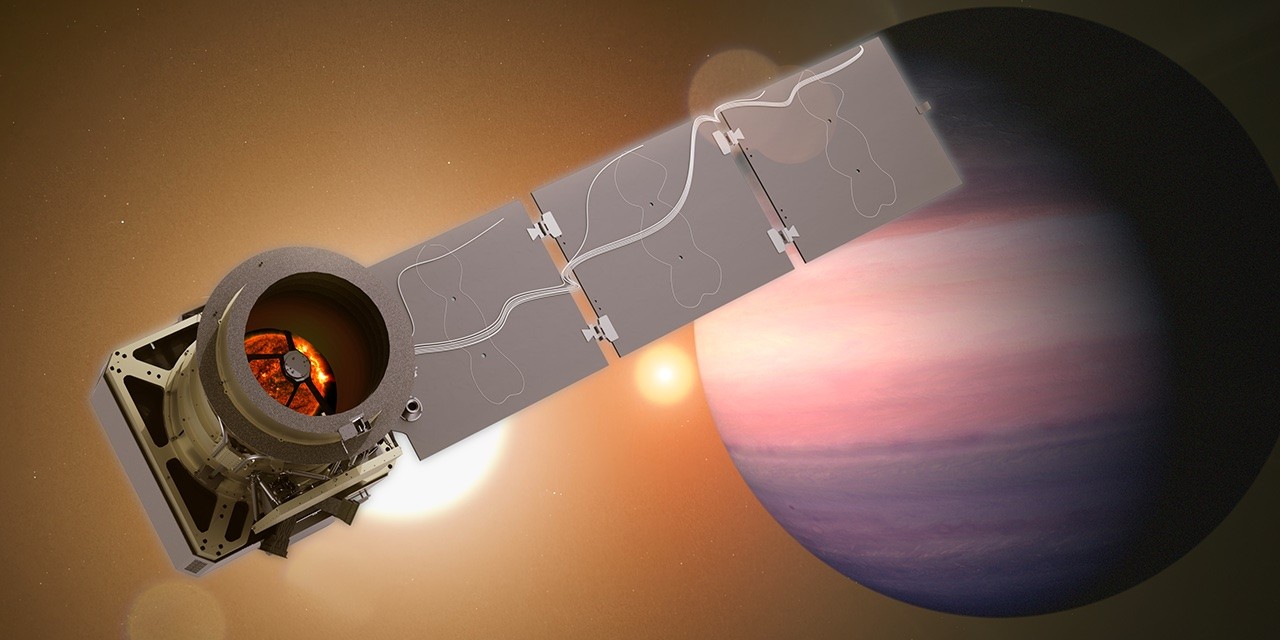
NASA’s small satellite starts observations of exoplanets and their host stars.

An August roundup highlights models built for software and physical tasks.

Early-stage research funding supports concepts well before they become missions.

Jets and balloons offer different views of the Sun and atmosphere.

The program brings 37 companies into work supporting lunar and Mars ambitions.

A June announcement marked a personnel milestone for the 2027 mission.